

Boxing Glove Size Chart: How to Choose the Right Size for You
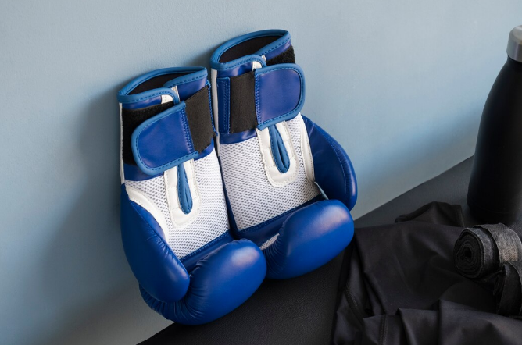
Choosing the right boxing gloves is more than just picking your favorite color or brand. The correct gloves can protect your hands, improve your punching technique, and make training more comfortable and enjoyable. Using a boxing glove size chart is the best way to find gloves that match your hand size, body weight, and intended use.
Whether you’re just starting boxing, training at a gym, or competing professionally, understanding boxing glove sizes, weight standards, and how they fit is crucial. Selecting the wrong gloves can lead to wrist injuries, hand strain, and even affect your punching accuracy. This guide will help you understand the various aspects of glove sizing, including options for boxing gloves for small hands, the standard boxing glove weight, and how to measure your hand accurately.
Understanding the Boxing Glove Size Chart
A boxing glove size chart is a practical tool for matching your hand measurements and body weight with the right glove size. Gloves are typically measured in ounces, which indicates the amount of padding inside. The weight is not your hand weight - it’s a measure of the glove’s bulk and protection level.
Why Size Matters
Wearing gloves that are too big can reduce control and accuracy, making punches less effective. Conversely, gloves that are too small provide insufficient padding, increasing the risk of injury. This is especially important for boxing gloves for small hands, as a proper fit ensures your hands stay secure inside the glove, and your wrist gets proper support.
For a variety of gloves that suit different hand sizes and training needs, explore boxing gloves. These gloves come in multiple weights and designs to match your exact requirements.
Boxing Glove Sizes and Weight
Boxing gloves are categorized by weight, measured in ounces. The size you need depends on your body weight, the type of training, and your personal preference for padding.
| Glove Weight | Recommended Use | Boxer Weight |
|---|---|---|
| 8 oz | Competition | <120 lbs |
| 10 oz | Competition | 120–150 lbs |
| 12 oz | Training/Sparring | 150–180 lbs |
| 14 oz | Training/Sparring | 180–200 lbs |
| 16 oz | Sparring | 200+ lbs |
| 18–20 oz | Heavy Training | All sizes |
Choosing Gloves Based on Purpose
- Training Gloves: Typically 12–16 oz for adults. They provide sufficient padding for daily workouts while keeping your hands safe.
- Sparring Gloves: 14–16 oz is recommended to protect both you and your sparring partner from excessive impact.
- Competition Gloves: Usually 8–10 oz depending on weight class; lighter gloves for speed and agility.
Selecting gloves according to standard boxing glove weight ensures proper protection and helps you train effectively without injury.
Why Weight Matters
Heavier gloves slow down your punches slightly but increase endurance and protect your hands, while lighter gloves allow faster punches but less padding. Beginners should prioritize heavier gloves for safety, especially when practicing with partners.

Size of Boxing Gloves for Small Hands
Finding gloves that fit smaller hands can be tricky. Too large, and your hands will slip inside the glove; too tight, and you may experience restricted movement and circulation issues.
Features to Look for
- Snug Fit: Gloves designed for small hands often have a narrower palm and finger compartment.
- Additional Padding: Extra protection in the knuckles and wrist area reduces the risk of injury.
- Adjustable Straps: Hook-and-loop straps allow you to tighten the gloves securely without causing discomfort.
Properly fitted gloves allow better control and improve your punching accuracy. This is why gloves specifically for small hands are essential for youth boxers or adults with smaller frames.
How to Measure Your Hand for Boxing Gloves
Measuring your hands accurately is the first step in finding the perfect fit. Here’s a step-by-step guide:
- Use a soft measuring tape.
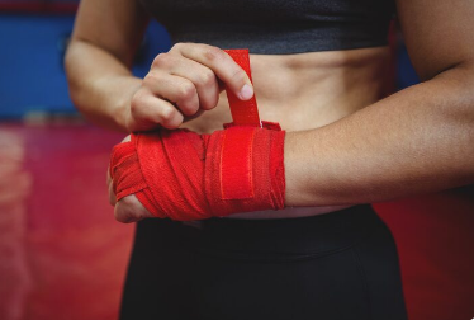
- Wrap the tape around your dominant hand just below the knuckles, excluding the thumb.
- Note the measurement in inches or centimeters.
- Compare the measurement to a boxing glove size chart to select the appropriate glove.
Importance of Accurate Measurement
Accurate hand measurements prevent purchasing gloves that are too loose or too tight. Loose gloves can slide around, increasing the risk of sprains or bruising. Tight gloves may restrict blood flow and reduce comfort during longer training sessions.
For gloves that match your hand measurement perfectly, check out our commercial boxing equipment.
Boxing Glove Standards in the US
Adhering to standard boxing glove weight and size ensures safety and consistency in training and competition.
- Amateur Boxing: 10 oz or 12 oz gloves are standard depending on weight class.
- Professional Boxing: Glove size varies by class and event regulations.
- Sparring: Gloves heavier than 14 oz are recommended to reduce injuries.
The Role of Standards in Safety
Standards protect both boxers and their partners. Using gloves of the correct size and weight minimizes injuries, ensures fair play, and provides consistent performance during training or matches.

Materials and Construction
The materials and build of a glove also impact fit and comfort.
- Leather Gloves: Durable and long-lasting, often preferred for frequent training.
- Synthetic Gloves: Affordable and lighter, suitable for beginners or casual training.
- Padding Types: Multi-layered foam padding absorbs shock better than single-layer designs.
Why Construction Matters
Good construction not only extends the life of your gloves but also protects your hands and wrists. Poorly constructed gloves may wear out quickly, offering less padding and reducing wrist stability.
Tips for Choosing the Right Boxing Gloves
- Try Before Buying: Always test the fit if possible. Gloves should feel snug but comfortable.
- Consider Your Training Style: Heavy bag work requires more padding than speed bag workouts.
- Check Wrist Support: A secure strap or lace-up design prevents injuries.
- Factor in Glove Weight: Heavier gloves are better for sparring; lighter gloves work well for competition and agility drills.
How Gloves Affect Performance
Choosing gloves that fit well affects punching speed, power, and control. Properly padded gloves also allow you to train longer without experiencing pain or discomfort.
Final Thoughts
Choosing the right boxing gloves is essential for safety, comfort, and performance. Using a boxing glove size chart ensures a proper fit for your hand size, body weight, and training purpose. Properly sized gloves protect your hands and wrists, improve punching accuracy, and enhance overall training effectiveness. Always consider glove weight, construction, and your specific training needs when selecting gloves. For boxers with smaller hands or specific requirements, selecting gloves designed for their size can make a significant difference in comfort and performance. Measuring your hands accurately and following standard glove sizes helps prevent injuries and ensures a better boxing experience.
FAQ
What size gloves should I buy for training?
For most adults, 12–16 oz gloves are ideal for training. Smaller hands may prefer 12 oz for better control, while heavier individuals benefit from 14–16 oz.
Can I use competition gloves for sparring?
No. Competition gloves are lighter and have less padding, which increases injury risk. Use 14–16 oz gloves for sparring to protect both yourself and your partner.
How do I know if my gloves fit correctly?
Your gloves should feel snug around fingers and palms, with no excessive space. You should be able to make a comfortable fist without squeezing too tightly.
Comments (0)
Leave a Comment
No comments yet. Be the first to comment!