Wrapping Hands for Boxing: Proper Technique & Best Wraps
Balazs Boxing 5 min read

Wrapping Hands for Boxing: Proper Boxing Hand Wrap Technique and Best Wraps to Use

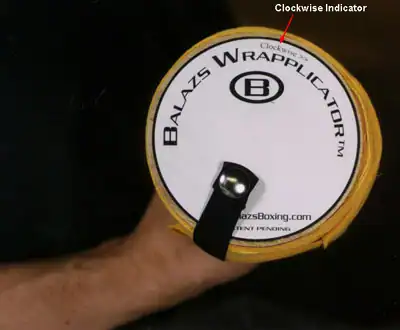
Wrapping hands for boxing is one of the most essential fundamentals in the sport, yet it’s also one of the most commonly overlooked. Many beginners focus on gloves and punching power, but experienced fighters know that proper hand wrapping is what protects your wrists, knuckles, and small hand bones over months and years of training.

Learning how to wrap hands for boxing correctly, choosing the right boxing wraps, and applying an effective boxing hand wrap technique are critical steps in injury prevention. On top of that, selecting the best boxing wraps for your training style ensures comfort, stability, and long-term durability.

This guide breaks down why hand wrapping matters, how to do it properly, what mistakes to avoid, and which wraps are best for different types of training - so you can train harder and safer.

Why Wrapping Hands for Boxing Is Essential

Boxing gloves alone are not enough to protect your hands. Gloves are designed to cushion impact, not stabilize your joints. That stabilization comes from proper hand wrapping.

When wrapping hands for boxing correctly, you create a supportive structure that keeps your wrist aligned, your knuckles protected, and your hand bones compressed together. This is especially important when you’re training regularly or increasing intensity.

Pairing proper wraps with well-fitted gloves - such as** universal boxing gloves - creates a complete protection system for your hands.

Hand and Wrist Protection During Impact

Your hands contain many small bones and joints that are vulnerable to stress. Proper wrapping helps by:

  • Supporting the wrist to prevent bending or twisting on impact
  • Compressing the knuckles to reduce bone movement
  • Absorbing shock before it reaches the glove padding

Without wraps, even light bag work can slowly cause joint irritation and micro-injuries.

Long-Term Injury Prevention for Consistent Training

Most boxing injuries don’t happen in one session - they develop over time. Correct wrapping:

  • Reduces repetitive strain on joints
  • Helps maintain proper punching alignment
  • Minimizes inflammation caused by repeated impact

This is especially important for fighters training multiple times per week or preparing for competition.

wrapping hands for boxing

How to Wrap Hands for Boxing: Step-by-Step Fundamentals

Understanding how to wrap hands for boxing starts with mastering the basics. While there are several wrapping styles, they all follow the same core principles: wrist stability, knuckle protection, and secure thumb support.

Standard Boxing Hand Wrap Technique Explained

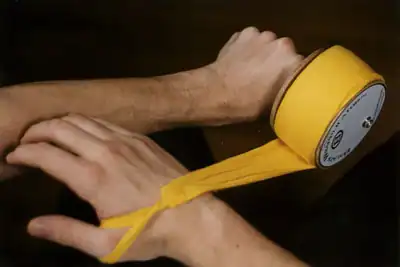
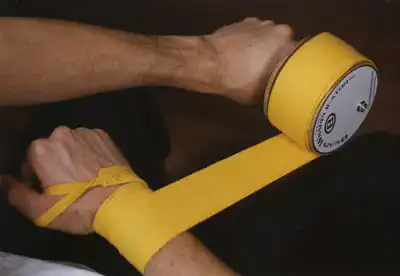
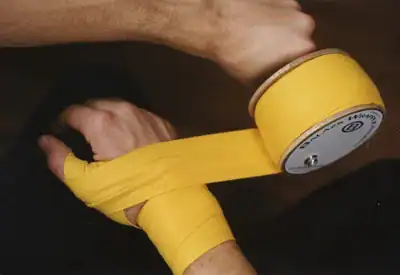
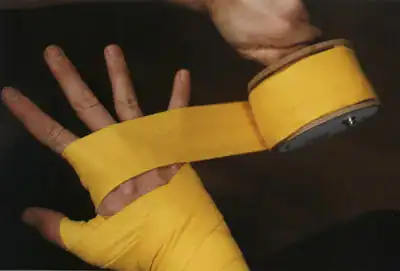
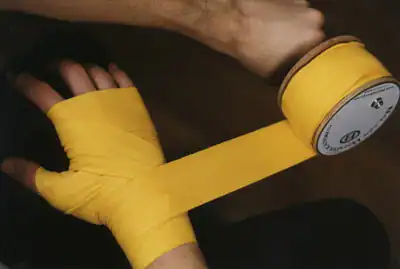
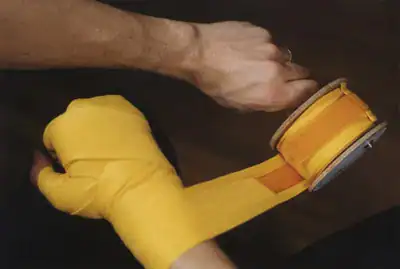
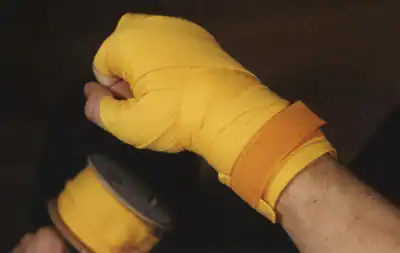
A reliable boxing hand wrap technique usually follows this order:

  • Anchor the wrap around the wrist for initial stability
  • Build padding across the knuckles
  • Return to the wrist to reinforce support
  • Secure the thumb while allowing natural movement
  • Finish with firm wrist wraps to lock everything in place

Wrap tension should be snug but comfortable. Your fingers should never feel numb or cold.

Why Wrist Support Is the Foundation

The wrist is the most commonly injured area in boxing. Proper wrist wrapping:

  • Keeps the hand and forearm aligned
  • Reduces torque when punches land off-center
  • Improves confidence when throwing harder punches

Strong wrist support allows you to punch with control instead of hesitation.

Boxing Wraps Explained: Types, Materials, and Fit

Not all boxing wraps are created equal. The material, stretch, and length of your wraps directly affect how much support and comfort you get during training.

Common Types of Boxing Wraps

You’ll typically find three main styles:

  • Traditional cotton wraps - firm support, no stretch
  • Semi-elastic wraps - slight stretch for comfort
  • Elastic wraps - more flexibility, less rigidity

Each type suits different preferences and experience levels.

Mexican-Style Wraps and Their Advantages

Many experienced boxers prefer Mexican hand wraps because they offer the best balance between support and flexibility.

Why they’re popular:

  • Slight elasticity allows a custom fit
  • Better contouring around knuckles
  • Reduced pressure points during long sessions

They provide firm protection without feeling restrictive.

how to wrap a hand for boxing

Best Boxing Wraps for Different Training Styles

Choosing the best boxing wraps depends on how you train, how often you train, and what kind of protection you need.

Key Features to Look For

High-quality wraps should include:

  • Adequate length (180 inches for most adults)
  • Breathable, durable fabric
  • Strong hook-and-loop closure
  • Ability to maintain tension after washing

Cheap wraps often lose elasticity quickly and provide inconsistent support.

Matching Wrap Length to Your Training

Wrap length affects how much protection you can build:

  • Heavy bag training: extra knuckle padding
  • Sparring: balanced wrist and knuckle support
  • Pad work: flexibility with moderate support

Longer wraps give you more customization for different sessions.

Common Hand Wrapping Mistakes to Avoid

Even with good wraps, poor technique can reduce protection and increase injury risk.

Wrapping Too Tight or Too Loose

Incorrect tension causes problems:

  • Too tight: restricted circulation and numb fingers
  • Too loose: wraps shift and lose support
  • Uneven tension: pressure points and discomfort

Wraps should feel secure while allowing full hand movement.

Skipping Thumb Support

The thumb is often injured during hooks or awkward punches. Proper wrapping:

  • Stabilizes the thumb joint
  • Reduces risk of sprains
  • Maintains natural thumb movement

Never ignore the thumb loop - it’s a critical part of wrapping hands for boxing.

Final Thoughts

Proper wrapping hands for boxing is not optional - it’s a foundational skill that protects your hands, improves performance, and supports long-term training. By learning how to wrap hands for boxing, applying a reliable boxing hand wrap technique, and choosing the best boxing wraps for your needs, you dramatically reduce injury risk and train with confidence.

If you value craftsmanship, durability, and performance, explore premium gloves, wraps, and training gear from Balazs Boxing - designed for fighters who take protection seriously.

FAQ

Do beginners really need to wrap their hands?
Yes. Beginners are more likely to punch incorrectly, making wraps essential from day one.

How often should boxing wraps be washed?
After every training session to prevent bacteria and odor buildup.

Can I train without wraps if I’m just shadowboxing?
Yes, but wraps are still recommended if you’re wearing gloves or hitting equipment.

Was this helpful?

Comments (0)

Leave a Comment

No comments yet. Be the first to comment!

Share this article: