
Boxing Combinations: 15 Basic Boxing Combos Every Beginner Should Learn

Walk into any gym and you’ll notice one thing right away: fighters who look sharp aren’t just throwing single punches, they’re stringing together boxing combinations that flow. If you’re new to the sport, learning a handful of reliable combos is the fastest way to look -and feel -like you know what you’re doing in the ring. This guide breaks down 15 basic boxing combos that build the foundation for everything else you’ll learn, along with the boxing moves behind each one and why they work.
Whether you’re training for fitness, self-defense, or your first sparring session, these boxing combos for beginners will sharpen your punching accuracy, footwork, and defense all at once.
You don’t need to be a natural athlete to pick these up, either. Every combination below is built from the same handful of punches -jab, cross, hook, and uppercut -arranged in different orders and rhythms. Once you understand how those punches connect, you’ll start recognizing the same patterns in every fighter you watch, from the local gym to the pros on TV.
Why Boxing Combinations Matter for Beginners
Throwing a single jab is easy. Chaining punches together while keeping your balance, guard, and breathing in check is where real boxing begins. Combinations teach your body to move as one unit instead of as separate, disconnected punches. They also mirror how boxing is actually used in the ring -opponents rarely give you an opening for just one clean shot, so learning to flow from punch to punch is what turns technique into something usable under pressure.
If you haven’t stepped into a gym yet, it’s worth reading our guide on how to start boxing before diving into combo work, since stance and guard come first.
Building Muscle Memory
Repetition is what turns a combination into instinct. When you drill the same sequence dozens of times, your body starts to execute it without conscious thought -which matters most in the middle of a fast exchange when you don’t have time to think through each strike.
Improving Timing and Rhythm
Good combinations aren’t rushed. Each punch sets up the next, and pacing yourself teaches you when to explode and when to relax. This rhythm is what separates a wild flurry from a controlled, effective combination.
Strengthening Your Defense
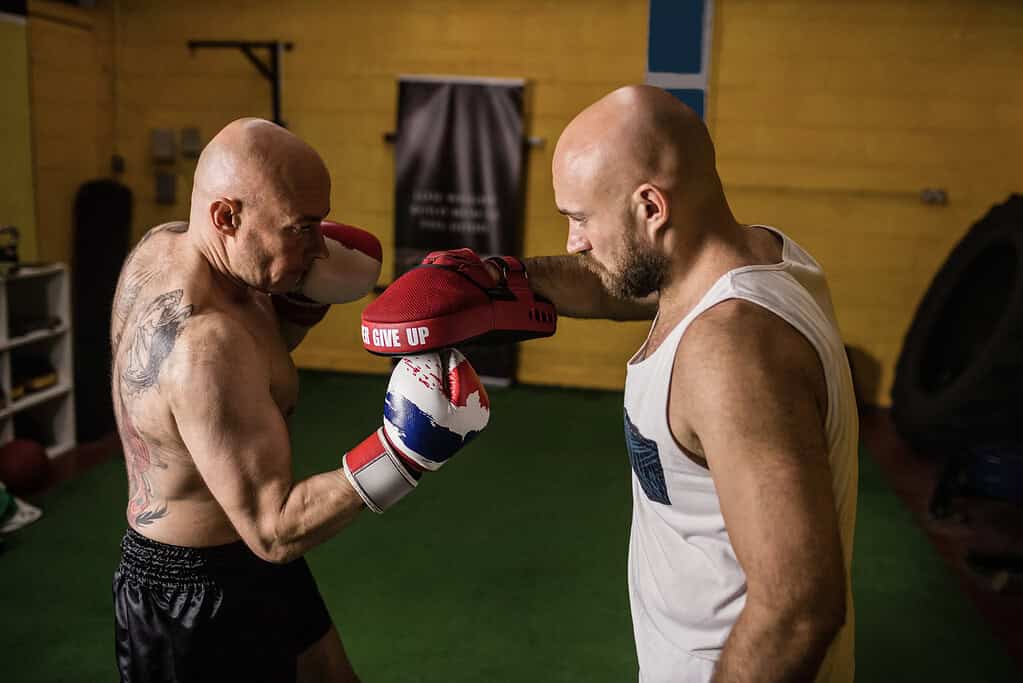
Many beginners forget that combinations aren’t just offensive. Slips, rolls, and pivots woven between punches keep you protected while you attack, and practicing them together builds habits that hold up under pressure.
Boosting Conditioning and Confidence
Throwing combinations continuously for two- or three-minute rounds builds a different kind of endurance than steady-state cardio. Your shoulders, core, and legs all fire together, so combo drills double as conditioning work. Just as importantly, being able to execute a combination smoothly under fatigue builds the kind of confidence that carries over into sparring and everyday training. Many beginners find that the mental side improves just as much as the physical side -knowing you have a reliable combo to fall back on takes the guesswork out of an exchange and lets you react instead of freeze.
The 15 Basic Boxing Combos Every Beginner Should Learn
Here are 15 of the best boxing combos to start with. Practice each slowly first, then gradually add speed and power once the movement feels natural.
- Jab, Cross – The foundation of nearly every combination in boxing.
- Jab, Cross, Hook – Adds a lateral angle to a straight-punch combo.
- Double Jab, Cross – Uses the first jab to measure distance, the second to land.
- Jab, Cross, Slip, Cross – Introduces head movement between punches.
- Jab, Body Jab, Cross – Mixes levels to confuse an opponent’s guard.
- Cross, Hook, Cross – A classic power combination for close range.
- Jab, Cross, Hook, Cross – The famous “1-2-3-2” sequence.
- Hook, Cross, Hook – Builds hand speed on the lead side.
- Jab, Uppercut, Cross – Combines a straight punch with an upward strike.
- Jab, Cross, Body Hook – Targets the ribs after setting up with straight punches.
- Slip, Jab, Cross – Teaches defense-first offense.
- Jab, Cross, Roll, Hook – Adds a defensive roll mid-combination.
- Double Hook (Body-Head) – Two hooks thrown to different levels.
- Jab, Cross, Pivot, Hook – Introduces footwork to change angles.
- Jab, Cross, Hook, Uppercut, Cross – A longer combo tying earlier lessons together.
The first few entries on this list (1–6) focus on pure punch sequencing, so you can get comfortable with hand speed and accuracy before anything else is added. Combos 7–11 start layering in head movement and body shots, which forces you to think about angles and levels rather than just throwing straight down the middle. The final combos (12–15) bring footwork and pivots into the mix, which is where boxing combinations start to feel less like a memorized list and more like a live conversation between you and an opponent.
These boxing moves cover the full range of beginner fundamentals: straight punches, hooks, uppercuts, head movement, and footwork. Master them in order, and more advanced combinations will come much easier. Most coaches suggest spending at least a week on each new combo before adding another, so your body has time to absorb the sequence before you move on.
Tips for Practising Boxing Combos for Beginners
Learning the sequence is only half the job -how you train them matters just as much.
Start Slow and Focus on Form
Speed without technique creates bad habits that are hard to break later. Shadowbox each combination slowly, checking that your guard returns to your face after every punch and your feet stay balanced.
Use the Right Equipment
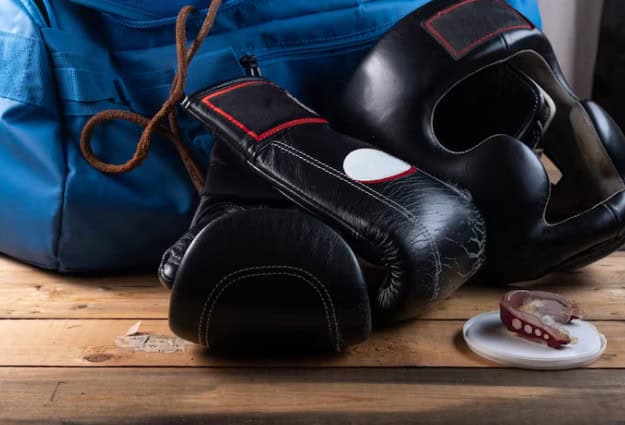
Working combinations on a heavy bag builds power, but a bag alone won’t sharpen your timing. Adding a speed bag platform to your setup helps train rhythm and hand-eye coordination, which carries directly into cleaner combination work. It’s also worth investing in a proper pair of boxing gloves so your hands stay protected as your combos get faster and heavier. Ill-fitting gloves or a bag that’s hung at the wrong height can throw off your form without you realizing it, so it’s worth setting your space up properly before you start layering on speed and power.
Train Both Sides of the Combo
Don’t just drill combinations moving forward. Practice them while stepping back, pivoting, and moving laterally, so you can throw effective punches from any position instead of only when standing square.
Get Feedback From a Coach or Mirror
It’s easy to develop small habits -dropping your hands after a hook, or leaning too far forward on the cross -without realizing it. Shadowboxing in front of a mirror or having a coach watch a round of combo work catches these issues early. Correcting them now is far easier than unlearning them after months of repetition.
Conclusion
Learning basic boxing combos is the quickest way to build real boxing skill, not just individual punches thrown in isolation. Start with the jab-cross, layer in hooks and uppercuts, and add defensive movement once each sequence feels smooth. Consistency with these 15 combinations will build the timing, power, and confidence every beginner needs before moving on to more advanced boxing moves. Give yourself permission to move slowly at first -clean technique now will pay off far more than rushed speed later.
Ready to put these combinations into practice with expert guidance? Explore training programs and equipment from Balazs Boxing to take your skills to the next level.
FAQ
How long does it take to learn boxing combinations?
Basic combos can feel natural within a few weeks of consistent practice, though refining speed, power, and timing is an ongoing process throughout a boxer’s training.
Can I practice boxing combinations at home?
Yes. Shadowboxing, a hanging heavy bag, or even a speed bag platform make it possible to drill combinations effectively without a full gym setup.
Do boxing combinations help with self-defense?
Yes. Combinations teach you to react with more than one strike, keep your guard up between punches, and move off the centerline, all of which are far more useful in a real situation than a single untrained punch.