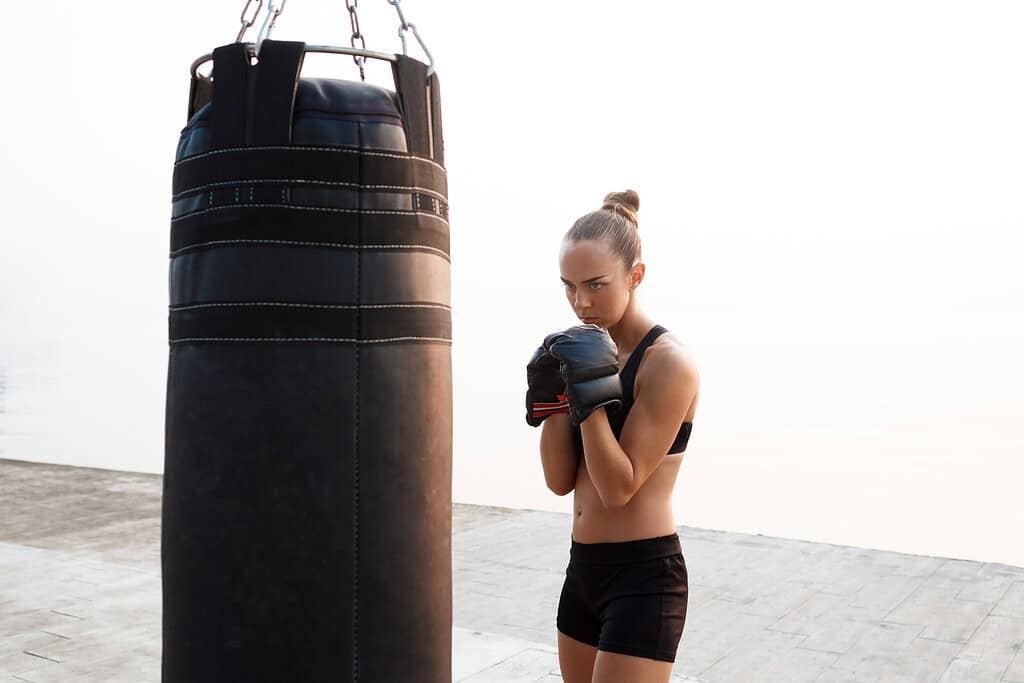
If you’re wondering how to choose a punching bag for your home gym or training space, a freestanding punching bag is often the most convenient option. Unlike ceiling-mounted bags, these stand-alone bags don’t require drilling, beams, or permanent installation. But choosing the best free-standing punching bag isn’t just about convenience – you need to consider punching bag sizes, stability, base weight, and training goals.
In this guide, we’ll break down the different types of punching bags, explain how to use a punching bag weight chart, and answer the common question: what size punching bag should I get? Whether you’re a beginner or an experienced fighter, selecting the right freestanding unit makes a major difference in performance and safety.
Understanding Different Types of Punching Bags
Before selecting a freestanding punching bag, it helps to understand the different types of punching bags available in the US market.
Freestanding vs Hanging Bags
Freestanding models use a weighted base (filled with sand or water), while traditional heavy bags hang from ceilings or wall mounts. If you’re training at home, freestanding units are easier to move and install. However, serious power punchers sometimes prefer hanging models like professional heavy bags for boxing for maximum resistance and swing dynamics.
Reflex and Specialty Bags
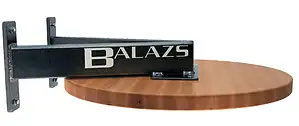
Reflex bags are designed for speed and timing, not power. If your focus is endurance and coordination, these can complement a freestanding model rather than replace it.
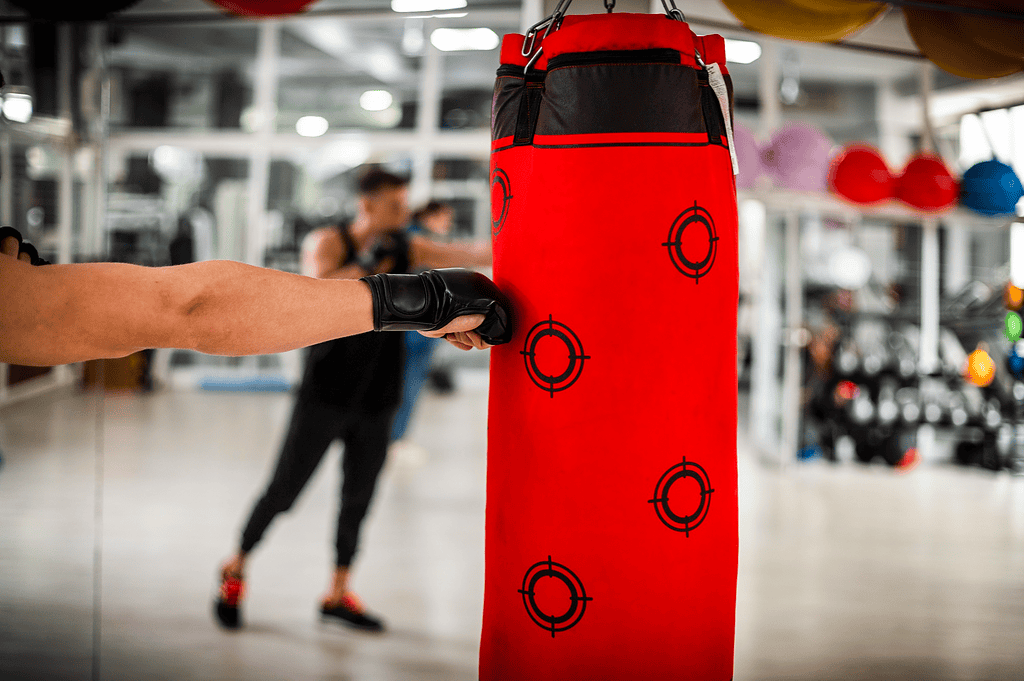
Why Type Matters
The type of bag affects your footwork, power development, and space requirements. Choosing correctly ensures you don’t outgrow your equipment too quickly.
Freestanding Punching Bag Sizes: What Size Punching Bag Should I Get?
One of the most common questions is: what size punching bag should I get? The answer depends on your height, weight, and training style.
Standard Punching Bag Sizes
Most freestanding bags range between 5 to 6 feet tall. Taller bags allow for body shots and low kicks (if training MMA), while shorter ones are better for compact boxing drills.
Matching Bag Height to User Height
As a rule of thumb:
- Under 5’5″ → 5 ft bag
- 5’6″–6’0″ → 5.5–6 ft bag
- Over 6’0″ → 6 ft+ extended models
Using the right punching bag sizes prevents awkward punching angles and improves technique development.
Space Considerations
Freestanding models require a wider footprint due to the base. Always measure your space before buying.
Punching Bag Weight Chart: Why Stability Matters
A punching bag weight chart helps match bag weight to user body weight. Even though freestanding bags don’t hang, base weight still impacts stability.
General Weight Guidelines
- 100–140 lbs user → 70–100 lb bag equivalent
- 140–180 lbs user → 100–150 lb equivalent
- 180+ lbs user → 150+ lb equivalent
The heavier the base, the less movement during power shots. If you’re training explosively, stability becomes critical.
For official sports safety guidelines, you can reference the USA Boxing equipment standards via USA Boxing.
Water vs Sand Filling
Sand is heavier and more stable. Water is easier to move but may shift under heavy combinations.
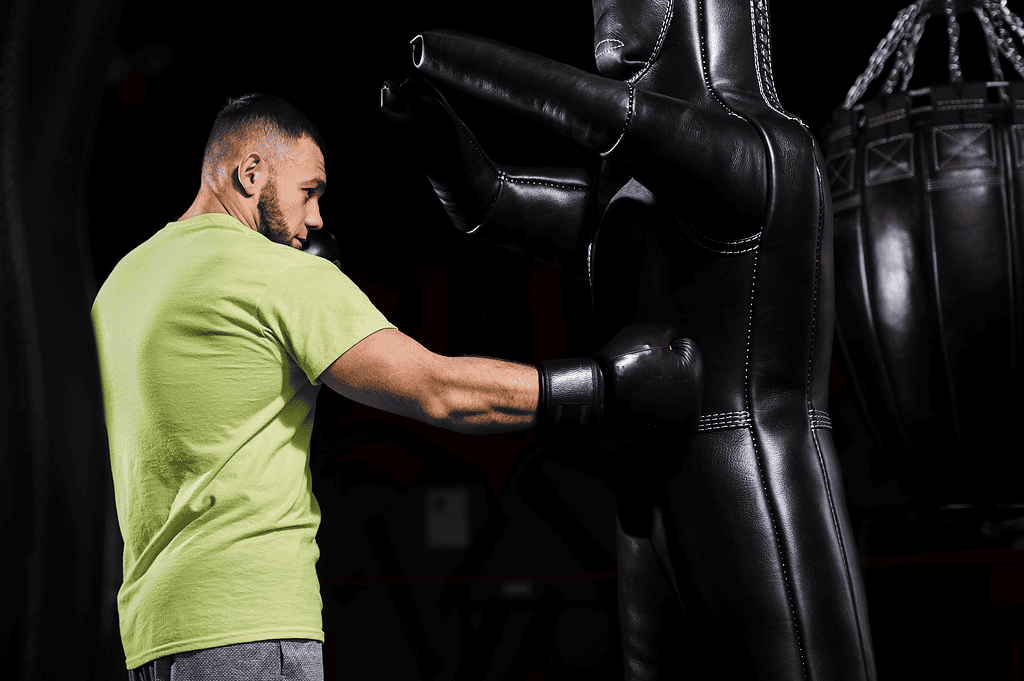
How to Choose a Freestanding Punching Bag Based on Training Goals
When deciding on the best free-standing punching bag, think beyond size.
For Beginners
A mid-weight, stable bag with shock absorption works best. It protects joints while you learn how to use a punching bag properly.
For Power Training
Heavier bases and dense foam cores handle hard punches without tipping.
For Cardio & Fitness
If your goal is calorie burn and endurance, moderate stability and mobility are fine.
Freestanding vs Commercial Gym Equipment
While a freestanding punching bag works great at home, commercial gyms often prefer mounted heavy bags for durability and longevity.
If you’re building a complete training setup, explore professional boxing equipment for training to ensure your gear matches your long-term goals.
Conclusion
Choosing the right freestanding punching bag comes down to understanding the different types of punching bags, reviewing a punching bag weight chart, and determining what size punching bag should I get based on your height and goals. When you know how to choose a punching bag correctly, you avoid wasted money and maximize your training progress.
If you’re ready to upgrade your setup with professional-grade solutions, explore the premium options available at Balazs Boxing and build a training space designed for performance and longevity.
Explore professional boxing equipment today and elevate your training.
FAQ
- What size punching bag should I get for home use?
Most adults in the US do well with a 5.5–6 ft freestanding model filled with sand for stability.
- Are freestanding punching bags good for heavy hitters?
They can work, but serious power athletes may eventually upgrade to mounted heavy bags.
- How do I stop my freestanding bag from moving?
Increase base weight, place it on non-slip flooring, or use sand instead of water.