
If you’ve ever searched for how to increase hand speed boxing, you already understand how important fast hands are in the ring. Speed can overwhelm opponents, create openings for combinations, and dramatically improve defensive reactions. Whether you’re training for competition or improving your fitness, learning how to get faster hands in boxing requires more than simply punching harder or moving your arms quickly.
True speed development comes from structured boxing speed training, focused boxing hand speed drills, and consistent hand speed exercises that improve neuromuscular coordination. Speed is built through efficiency, relaxation, timing, and repetition – not brute strength alone.
In this guide, we’ll break down exactly how to build explosive punching speed using practical, science-backed training methods. You’ll learn how to combine equipment work, reflex training, conditioning, and recovery to maximize results safely and effectively.
Why Hand Speed Matters in Boxing
Before diving into drills and exercises, it’s important to understand why improving speed is critical when learning how to increase hand speed boxing.
Faster Hands Create Offensive Advantage
Speed allows you to land punches before your opponent reacts. A sharp, fast jab disrupts rhythm and forces defensive adjustments. When combinations come quickly, your opponent has less time to counter.
Fighters who consistently practice boxing hand speed drills often dominate exchanges not because they hit the hardest – but because they hit first and hit repeatedly.
Speed Improves Defense
Fast punches are only effective if your hands return quickly to guard. Speed enhances defensive awareness and reduces vulnerability after throwing combinations. The quicker your hands snap back, the safer you are from counters.
Neuromuscular Efficiency
When people ask how to get faster hands in boxing, the answer isn’t bigger muscles. Speed depends on how efficiently your nervous system activates your muscles. The faster your brain signals your arms to fire and retract, the quicker your punches become.
This is why proper boxing speed training emphasizes explosive movement, reaction drills, and relaxed mechanics rather than heavy bodybuilding routines.
Core Boxing Speed Training Methods
To master boxing speed training, you must train both technique and explosiveness while maintaining relaxed mechanics.
Speed Bag Work for Rhythm
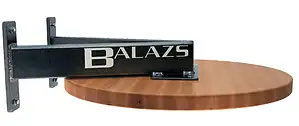
Training with a speed bag boxing setup is one of the most effective ways to improve rhythm and endurance. The rapid rebound forces you to maintain tempo and coordinate hand movement with shoulder rotation.
Speed bags improve:
- Timing
- Shoulder stamina
- Hand-eye coordination
- Punch retraction speed
Consistency is key. Short, frequent sessions build muscle memory and reinforce rhythmic punching patterns.

Resistance Band Punches
Light resistance bands attached behind you increase force output while maintaining speed. Perform straight punches in short bursts (10–20 seconds) focusing on clean technique.
Why it works:
Resistance increases acceleration during extension, while the release of resistance makes your hands feel faster when shadowboxing.
Keep resistance light. Heavy resistance slows the punch and defeats the purpose of speed training.
Light Heavy Bag Combinations
When working on a heavy bag, reduce power to 60–70% intensity. Focus on snap and rapid recovery instead of force.
Throw combinations like:
- Jab-cross-hook
- Double jab-cross
- Jab-cross-slip-cross
Why this matters:
Training light but fast recruits fast-twitch muscle fibers and reinforces efficient mechanics without unnecessary fatigue.
Best Boxing Hand Speed Drills
Now let’s look at practical boxing hand speed drills that improve explosive output and coordination.
1. 3-Punch Burst Drill
Throw jab–cross–hook as fast as possible for 10 seconds. Rest for 20 seconds. Repeat for 5–8 rounds.
Why it works:
Short bursts train explosive output without fatigue, breaking down technique.
2. Double-End Bag Reaction Drill
Focus on rhythm and immediate retraction after each strike. The unpredictable rebound forces you to react quickly.
Why it works:
Improves reflex speed and defensive hand recovery.
3. Shadowboxing Speed Rounds
Perform 2-minute rounds emphasizing fluid, rapid combinations. Stay relaxed and avoid tensing shoulders.
Why it works:
Shadowboxing refines technique at high speed without impact stress.
4. Mirror Speed Intervals
Shadowbox in front of a mirror for 30-second intervals focusing purely on speed and form.
Why it works:
Visual feedback helps eliminate unnecessary movements that slow punches.
Hand Speed Exercises Outside the Ring
If you’re serious about how to get faster hands in boxing, you must incorporate complementary hand speed exercises beyond bag work.
Plyometric Push-Ups
Explosive push-ups train fast-twitch fibers and upper-body acceleration.
Keep reps low (5–8 per set) and focus on explosive intent.
Medicine Ball Chest Pass
Throw a medicine ball explosively against a wall.
Why it works:
Improves upper-body force production and rapid contraction speed.
Wrist & Forearm Conditioning
Strong wrists stabilize impact and allow faster punch recovery. Include:
- Wrist curls
- Grip holds
- Rice bucket drills
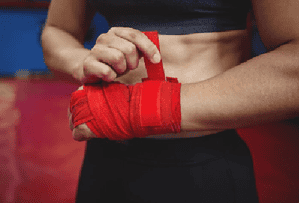
Before intense sessions, always review how to wrap hands for boxing properly to protect joints during high-speed drills.
Why it matters:
Joint protection ensures long-term consistency – and consistency builds speed.

Recovery and Relaxation for Maximum Speed
Speed gains stall without proper recovery.
Relax the Shoulders
Tension slows punches. Keep shoulders loose and breathe rhythmically during drills.
Mobility Work
Shoulder and thoracic spine mobility improve rotational speed.
Nervous System Recovery
Train speed 3-4 times per week. Overtraining reduces explosive output.
Sleep, hydration, and balanced nutrition also directly impact reaction time and muscle firing efficiency.
Equipment Setup for Faster Hands
Your training environment plays a major role in mastering how to increase hand speed boxing.
A stable punching bag stand ensures consistent rebound and proper positioning. Unstable equipment shifts balance and interrupts rhythm, slowing progress.
Training with quality equipment supports:
- Consistent impact response
- Proper technique
- Reduced injury risk
- Long-term performance development
Professional setups encourage efficient movement patterns and safe repetition – both essential for speed improvement.
Common Mistakes That Slow Your Hand Speed
- Overtraining with Heavy Weights
Excessive bodybuilding routines can reduce mobility.
- Punching Too Hard During Speed Rounds
Speed requires relaxation. Tension slows punches.
- Ignoring Technique
Improper mechanics waste energy and reduce snap.
Conclusion
Learning how to increase hand speed boxing requires focused boxing hand speed drills, structured boxing speed training, and consistent hand speed exercises that improve coordination and explosiveness. Speed isn’t just about muscle – it’s about efficiency, rhythm, and technique. When you combine the right drills with proper equipment and recovery, you’ll see noticeable gains in both offense and defense.
Ready to upgrade your training setup? Explore professional-grade equipment and performance-focused systems at Balazs Boxing and build a gym designed to support faster, sharper punches.
FAQ
How long does it take to increase hand speed in boxing?
With consistent boxing speed training, most athletes notice improvement within 4–6 weeks.
Are speed bags necessary?
They are highly effective but not mandatory. However, they significantly enhance rhythm and timing.