
Building a Home Gym: How to Set Up and Construct the Perfect Workout Space at Home
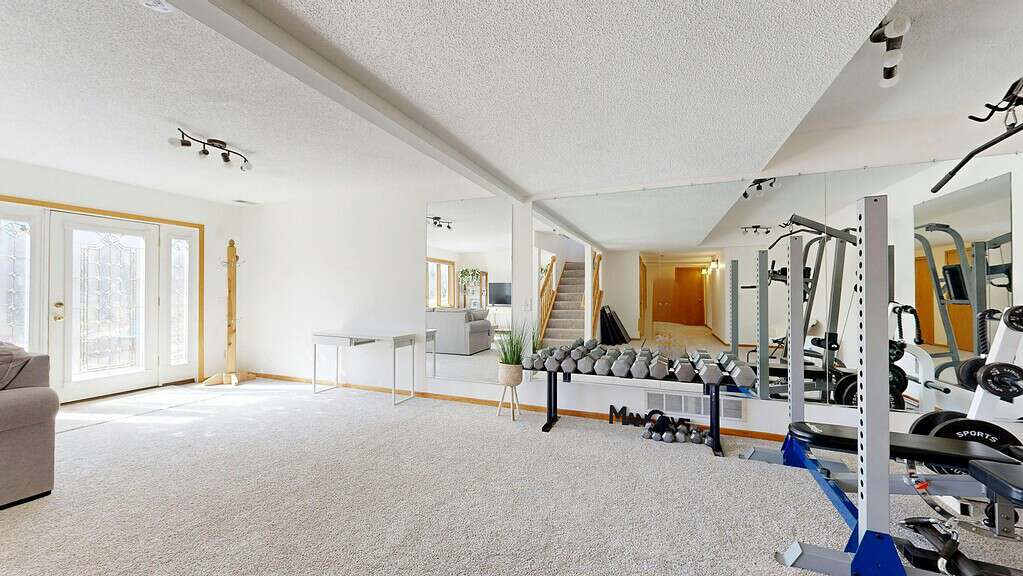
Creating your own workout space is one of the smartest investments you can make for your health, performance, and long-term consistency. Building a home gym gives you full control over your training environment, eliminates commute time, and allows you to customize your workouts based on your goals. Whether you’re focused on strength training, boxing, or general fitness, understanding how to build a home gym properly will ensure you get the most out of your setup.
Many people struggle with setting up a home gym because they either overcomplicate the process or invest in the wrong equipment. If you’ve been wondering how to set up a home gym effectively or need guidance on home gym construction, this guide will walk you through everything – from planning your space to choosing the right equipment and avoiding common mistakes.
How to Build a Home Gym: Planning the Right Space
The foundation of building a home gym starts with selecting the right location. Your space doesn’t need to be large – it just needs to be functional, safe, and motivating.
Choosing the Best Location
The most common areas for a home gym include garages, basements, spare rooms, or even outdoor spaces. The key is to choose a location that you can consistently use without interruptions.
Why it matters: A convenient and accessible location increases the likelihood that you’ll stick to your routine.
Flooring and Safety Considerations
Flooring plays a major role in home gym construction. Rubber mats or foam flooring protect your floors, reduce impact, and create a stable training surface.
If you’re planning high-impact workouts like boxing or weightlifting, proper flooring becomes even more important to absorb shock and prevent injuries.
Why it matters: Safety and durability are essential for long-term use.
Lighting and Ventilation
A well-lit and ventilated space enhances both performance and comfort. Natural light can boost mood and motivation, while good airflow helps regulate temperature during intense workouts.
Why it matters: A comfortable environment leads to better and longer workouts.
Setting Up a Home Gym with the Right Equipment
Once your space is ready, the next step in setting up a home gym is choosing the right equipment. The key is to start simple and expand over time.
Start with Essential Equipment
You don’t need a fully equipped gym from day one. Start with the basics:
- Dumbbells or kettlebells
- Resistance bands
- Workout mat
- Jump rope
If you’re incorporating boxing into your routine, adding boxing training equipment such as heavy bags or speed bags can significantly enhance your workouts.
Why it matters: Starting simple keeps your setup practical and cost-effective.

Add Specialized Equipment Over Time
As your training progresses, you can gradually expand your setup:
- Heavy bags for strength and conditioning
- Speed bags for coordination
- Pull-up bars for upper body strength
Using a structured fitness equipment guide can help you choose the right equipment based on your goals.
Why it matters: Scaling your gym prevents unnecessary expenses and ensures relevance.
Incorporate Accessories for Better Training
Accessories are often overlooked but are essential for maximizing performance. Items like hand wraps, timers, and jump ropes fall under boxing training accessories and can improve conditioning and structure.
Why it matters: Accessories enhance efficiency and help you train smarter.
How to Set Up a Home Gym Layout for Maximum Efficiency
A well-organized layout is a crucial part of how to set up a home gym effectively. The way your space is structured directly impacts your training experience.
Create Dedicated Training Zones
Divide your gym into functional areas:
- Strength training zone
- Cardio area
- Boxing or conditioning space
Why it matters: Organized zones improve focus and workflow.
Ensure Proper Space and Clearance
Make sure you leave enough room around equipment for movement. This is especially important for dynamic exercises like boxing, where footwork and mobility are key.
Why it matters: Proper spacing improves safety and performance.
Keep Equipment Organized
Use storage solutions like racks, hooks, or shelves to keep your gym tidy.
Why it matters: A clean environment increases motivation and reduces distractions.
Home Gym Construction Tips for Long-Term Success
Effective home gym construction goes beyond just placing equipment—it’s about building a space that will last and adapt over time.
Invest in Quality Materials
Choosing durable equipment and materials ensures your gym can handle regular use. High-quality gear may cost more upfront but saves money in the long run.
Why it matters: Longevity and performance depend on quality.
Manage Noise and Vibration
If you live in an apartment or shared home, consider adding vibration-reducing mats or soundproofing solutions.
Why it matters: Reduces disturbance and improves usability.
Plan for Future Expansion
Your fitness journey will evolve, so your gym should too. Leave room for additional equipment and upgrades.
Why it matters: Flexibility allows your gym to grow with your needs.

Common Mistakes When Building a Home Gym
Avoiding mistakes is essential when building a home gym.
Buying Too Much Equipment Too Soon
Many people over-invest at the beginning. Focus on essentials first and expand gradually.
Ignoring Space Planning
A cluttered gym can limit movement and reduce effectiveness.
Choosing Low-Quality Equipment
Cheap equipment often wears out quickly and may not provide the best training experience.
Not Defining Training Goals
Without clear goals, it’s easy to buy equipment you won’t use.
Why it matters: Clear goals lead to better decisions and results.
Benefits of Building a Home Gym
There are several advantages to setting up a home gym that go beyond convenience.
Consistency and Convenience
You can train anytime without worrying about gym hours or travel.
Cost Savings Over Time
While there is an initial investment, a home gym can save money in the long run compared to gym memberships.
Personalized Training Environment
You control the music, equipment, and layout, creating a space that motivates you.
Privacy and Comfort
Some people feel more comfortable training at home without distractions.
Conclusion
Building a home gym is one of the most effective ways to stay consistent with your fitness routine and take control of your training environment. By understanding how to build a home gym, focusing on smart home gym construction, and carefully setting up a home gym, you can create a space that supports your goals for years to come.
Whether you’re learning how to set up a home gym for general fitness or incorporating boxing into your routine, the key is to start simple, stay consistent, and build over time.
Ready to take your workouts to the next level? Explore high-quality equipment and training solutions from Balazs Boxing and create a powerful, performance-driven home gym today.
How much does it cost to build a home gym?
The cost depends on your goals and equipment choices. You can start with a basic setup and gradually invest in more advanced equipment.
What is the best space for a home gym?
Garages, basements, and spare rooms are ideal because they provide enough space and flexibility.
Can I build a home gym in a small space?
Yes, even small spaces can be effective with the right layout and compact equipment.