
Shadow Boxing: Benefits, Workout Tips & Does It Build Muscle?
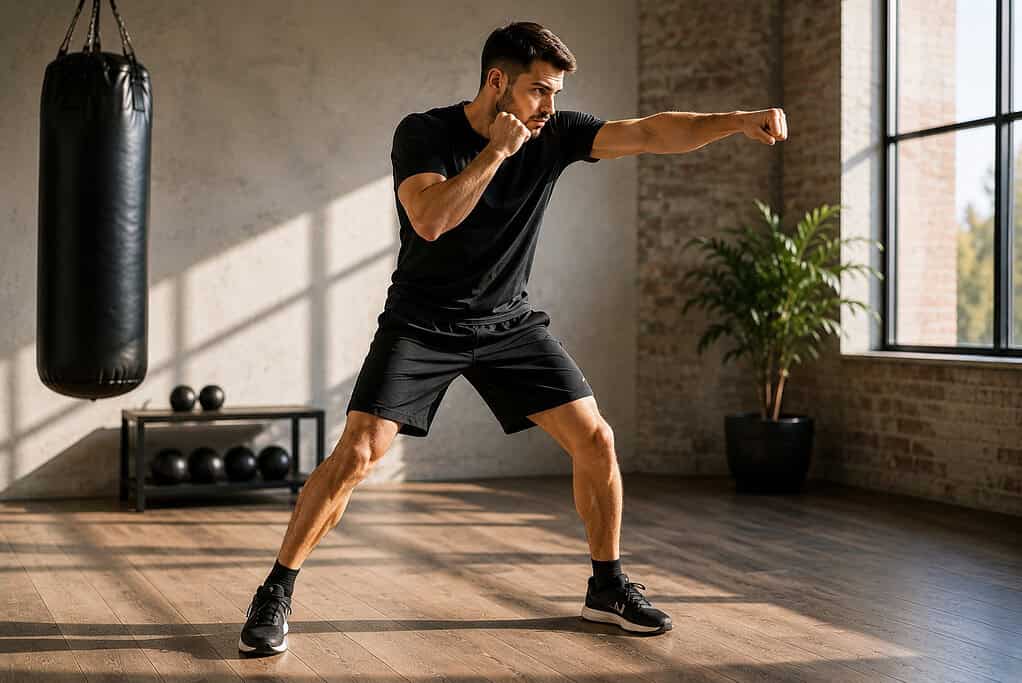
Shadow boxing is one of the oldest and most effective training methods in combat sports, yet many people still aren’t sure exactly what shadow boxing is or how it fits into a fitness routine. In simple terms, it’s the practice of throwing punches and combinations against an imaginary opponent, without any equipment or contact required. A well-structured shadow boxing workout can sharpen technique, build coordination, and torch calories in a way few other exercises can match. Fitness enthusiasts and boxers alike ask the same question: is shadow boxing a good workout for building real strength, or is it just for warming up? And perhaps most importantly, does shadow boxing build muscle, or is it purely a cardio and skill-based exercise? This guide breaks down the full range of shadow boxing benefits, shares practical tips for getting the most from every session, and answers the muscle-building question once and for all – so you can decide exactly how this training style fits into your fitness goals.
What Is Shadow Boxing?
At its core, shadow boxing is a solo training exercise where you throw punches, slips, and footwork patterns as though you were facing a live opponent. It’s called “shadow” boxing because your imagination – or sometimes a mirror – becomes your sparring partner. Boxers have used this method for over a century to rehearse technique, build muscle memory, and warm up before heavier training sessions.
Why It’s a Foundational Boxing Drill
Shadow boxing is often the very first thing a boxer learns, and for good reason. It allows a fighter to focus entirely on form – stance, guard position, and punch mechanics – without the distraction of a heavy bag or sparring partner reacting unpredictably. This makes it an ideal drill for beginners who need to build fundamentals before adding resistance or contact.
How It Differs From Bag Work
Unlike hitting a heavy bag, shadow boxing involves no impact, which means it places less strain on the wrists and joints. This makes it a great low-impact option for warming up, active recovery days, or simply refining technique between heavier bag or mitt sessions. Many gyms pair shadow boxing routines with equipment like speed bag platforms to round out a full-spectrum training session that blends technique work with rhythm and timing drills.
Shadow Boxing Benefits Worth Knowing
The appeal of shadow boxing goes far beyond simply looking good in the mirror. It delivers a well-rounded set of physical and mental benefits that make it a staple in both boxing gyms and home fitness routines.
Improves Footwork and Coordination
Because there’s no bag or opponent to lean on, shadow boxing forces you to generate power and balance entirely from your own movement. This sharpens footwork, hip rotation, and hand-eye coordination – skills that translate directly into better performance in the ring or in any other combat-based workout.
Builds Cardiovascular Endurance
A few rounds of continuous shadow boxing will get your heart rate climbing fast. Because it combines constant movement with controlled breathing, it functions as an excellent form of cardio that also reinforces proper punching mechanics, rather than pure aerobic exercise with no technical carryover.
Enhances Mental Focus
Visualizing an opponent and reacting to imagined attacks trains the brain just as much as the body. Many fighters use shadow boxing as a form of moving meditation, sharpening reaction time and mental clarity before a fight or workout.
If you’re curious about the calorie-burning side of things, it’s worth checking out this breakdown of how many calories does shadow boxing burn across different round lengths and intensities.
Does Shadow Boxing Build Muscle?
This is one of the most common questions people ask before adding shadow boxing to their routine. The short answer: shadow boxing alone won’t build significant muscle mass the way weightlifting does, but it does offer meaningful strength and toning benefits, especially in the shoulders, core, and legs.
Why It Builds Endurance More Than Bulk
Because shadow boxing uses body weight and repetitive motion rather than external resistance, it’s better classified as a muscular endurance exercise. Repeated punching combinations fatigue the shoulders and core over time, which improves muscular stamina rather than triggering the hypertrophy associated with heavier resistance training.

How to Add Resistance for Extra Muscle Benefit
To get more of a strength-building effect, many athletes shadow box while holding light dumbbells (1–3 lbs) or wearing wrist weights. This small addition increases the muscular demand on the shoulders and arms without sacrificing the fluid movement that makes shadow boxing effective for technique. Pairing this with other boxing training accessories, like resistance bands or ankle weights, can further intensify a session for those chasing extra muscle engagement.
Is Shadow Boxing a Good Workout?
For most fitness levels, yes – shadow boxing is a genuinely effective workout, whether your goal is fat loss, conditioning, or skill development. It requires no equipment, can be done almost anywhere, and scales easily from a light five-minute warm-up to an intense 30-minute session.
Ideal for Beginners and Advanced Athletes Alike
Because there’s no equipment barrier, shadow boxing works equally well for someone just starting out and for advanced fighters refining fight-night strategy. Beginners can focus on basic combinations, while more advanced athletes can simulate specific opponents or defensive scenarios.
A Great Addition to Any Fitness Routine
Even outside of boxing gyms, shadow boxing has become a popular addition to HIIT classes and home workout routines because it builds cardiovascular fitness, coordination, and light muscular endurance all in one low-cost, low-impact package.
Shadow Boxing Workout Tips to Get the Most Out of Every Round
- Warm up first – loosen the shoulders, hips, and wrists before throwing full-speed combinations
- Focus on form over speed – clean technique builds better long-term habits than rushing through punches
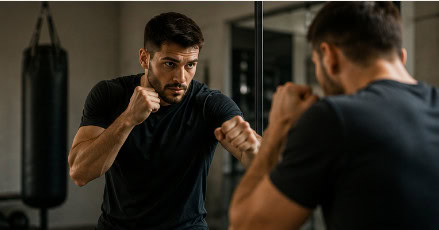
- Use a mirror – watching your form helps correct guard drops and off-balance punches
- Incorporate footwork drills – practice pivots, slips, and lateral movement between combinations
- Time your rounds – training in 2–3 minute rounds with short rest builds fight-realistic conditioning
According to the American Council on Exercise, shadow boxing and similar bodyweight combat drills can burn a comparable number of calories to moderate-intensity cardio, making it a legitimate option for those looking to combine strength, skill, and endurance training in one workout.
Conclusion
Shadow boxing is far more than a warm-up drill -is shadow boxing a good workout it’s a legitimate training method that builds coordination, cardiovascular endurance, and even light muscular strength when performed consistently. While it may not replace weightlifting for pure muscle mass, a solid shadow boxing workout sharpens technique, burns calories, and improves overall athleticism in a way few other exercises can match.
Ready to take your training further? Explore Balazs Boxing’s full range of training equipment and expert-backed programs to build a complete, gym-quality boxing setup at home.
FAQ
Is shadow boxing good for weight loss?
Yes, a consistent shadow boxing routine can support weight loss by combining cardio-intensity movement with muscular endurance work, especially when done in structured rounds.
Can beginners do shadow boxing?
Absolutely. Shadow boxing is one of the most beginner-friendly boxing drills, since it requires no equipment and allows complete control over pace and intensity.
Does shadow boxing improve punching power?
Yes, over time it reinforces proper mechanics, hip rotation, and follow-through, which contribute to more powerful and efficient punches once you do begin hitting a bag or pads.