
Tae-Bo Is Back. Here’s How to Take It Further.
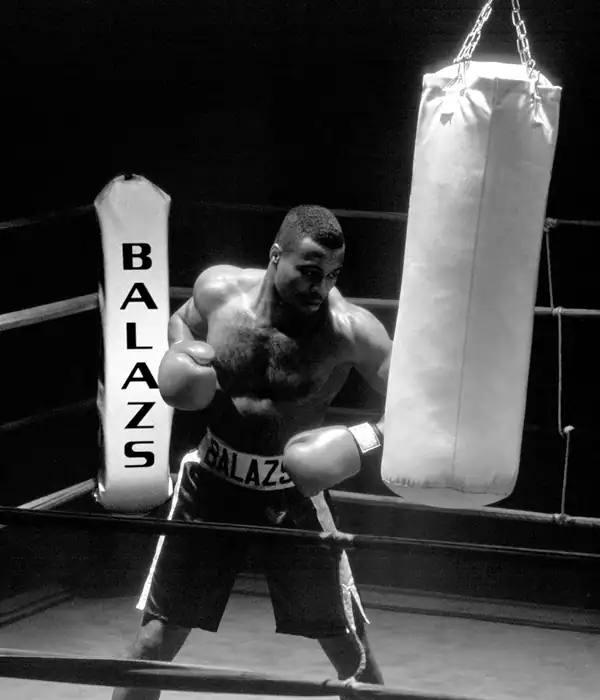
You’ve seen it on your For You page. Billy Blanks throwing punches in a living room, a whole new generation throwing them back. Tae-Bo is having its moment — and honestly? Good. Because it works. And more importantly, it points somewhere bigger.
If Tae-Bo has got you sweating, here’s what’s actually happening to your body — and how to take those same movements from your floor to a real bag.
Why Tae-Bo Hits Different
Tae-Bo isn’t just aerobics with an attitude. It’s built on the core mechanics of boxing and Taekwondo — jabs, crosses, hooks, roundhouse kicks — strung together into non-stop movement.
That combination does three things at once:
- Burns serious calories. A 45-minute Tae-Bo session torches 500–800 calories, depending on your intensity. That’s comparable to a hard run — without the joint impact.
- Builds full-body coordination. Every punch and kick requires your hips, core, shoulders, and legs to fire in sequence. That’s not just fitness. That’s athleticism.
- Trains your cardiovascular system. The constant movement keeps your heart rate elevated, building the same aerobic base that boxers rely on to last 12 rounds.
The New York Times covered the revival in May 2026, noting that Tae-Bo isn’t just nostalgia — it’s a genuinely effective workout that’s bringing a new generation into boxing-adjacent training. Read the piece here.
The Gap Between Tae-Bo and Boxing (It’s Smaller Than You Think)
Here’s the thing about Tae-Bo: it teaches you the shapes. The stance. The rotation. The mechanics of a punch.
What it doesn’t give you is resistance.
When you throw a jab at air, there’s no feedback. No impact. No consequence. That means you can develop habits — dropping your hand, overextending your shoulder — that a bag would correct immediately.
Adding a heavy bag or speed bag to your routine is the bridge from Tae-Bo to real boxing fitness. And it’s more accessible than most people think.
Start With a Heavy Bag
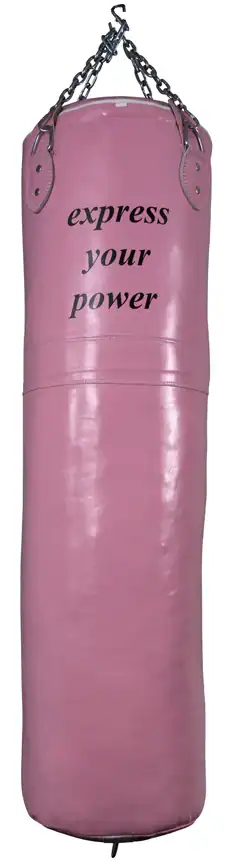
The heavy bag is the most honest piece of equipment in boxing. It doesn’t move unless you make it move. It tells you immediately whether your punch has power — or doesn’t.
For Tae-Bo converts, the heavy bag adds:
- Resistance training. Driving your fist into 70–100 lbs of resistance builds shoulder, arm, and core strength fast.
- Impact feedback. You’ll instantly feel if your form is off. A loose wrist or a dropped elbow becomes obvious — and correctable.
- Stress relief. There’s a reason people describe bag work as therapy. The combination of physical release and total focus is unlike anything else.
Getting Started
You don’t need a gym. A free-standing heavy bag in a corner of your home is enough. Wrap your hands, put on a pair of bag gloves, and start with the same punches Tae-Bo taught you — just with something pushing back.
If you prefer to hang your bag, Balazs offers a Heavy Bag Ceiling Mount and a Heavy Bag Wall Mount — both featuring the patented H2S™ Heavy Hanging System that reduces noise, vibration, and excessive bouncing.
Begin with 3 rounds of 2 minutes. Rest 1 minute between rounds. Build from there.
Whether you go with a Pro-Elite Leather Heavy Bag or a Pro Coated Canvas Bag, you’re getting a bag that’s hand-stitched, hand-stuffed, and manufactured to last.
Add a Speed Bag for What the Heavy Bag Can’t Teach
If the heavy bag builds power, the speed bag builds rhythm.
Hitting a speed bag requires timing, shoulder endurance, and hand-eye coordination that no other drill replicates. It’s what separates the boxers who look good from the ones who move well.
Benefits
- Develops the shoulder endurance to keep your hands up and your punches sharp, round after round
- Trains a steady rhythm — the foundation of combination punching
- Improves reaction time and hand speed
Getting Started
The speed bag has a learning curve. Expect the first few sessions to feel awkward. That’s normal. The pattern is: hit, let it rebound twice, hit again. Once that clicks, it becomes addictive.
Mount your speed bag at nose height. Start slow. Rhythm before speed — always.
The Real Fitness Impact of Boxing Training
Whether you’re doing Tae-Bo, hitting a heavy bag, or working a speed bag, you’re tapping into the same training system that makes boxers some of the fittest athletes on the planet.
In 8–12 weeks of regular bag work, most people see:
- Measurable improvement in cardiovascular endurance
- Increased upper body and core strength
- Improved posture and shoulder stability
- Faster reflexes and sharper coordination
And unlike a lot of fitness trends, it scales. You can go easy or go hard. You can do it at home or in a gym. You can do it at 25 or 65.
Ready to Go Beyond Tae-Bo?
At Balazs Boxing, we’ve been manufacturing heavy bags and speed bags since 1997. Everything we make is designed for one thing: to take your training further than you thought possible.
If Tae-Bo woke something up in you, we’ll give you something to hit.
Shop Heavy Bags →
Shop Speed Bags →
FAQ
Is Tae-Bo a good workout for beginners?
Yes. Tae-Bo teaches basic boxing and kicking mechanics at a manageable pace, making it a solid entry point for anyone new to combat-style fitness.
Can I transition from Tae-Bo to heavy bag training at home?
Absolutely. A heavy bag, a pair of bag gloves, hand wraps, and a ceiling mount or wall mount are all you need to get started at home.
How many calories does heavy bag training burn?
A 30-minute heavy bag session can burn 350–500 calories depending on intensity — comparable to or better than most cardio machines.
Do I need boxing experience to use a speed bag?
No. The speed bag has a learning curve, but no prior boxing experience is required. Start slow and focus on rhythm before speed.